


Snake plants are famous for surviving neglect — so when their stiff, upright leaves start curling, it is the plant’s way of telling you something is off. The short answer: curling is almost always a water or light problem, and it is fixable once you know which one you are dealing with.
Here is the short answer, then the full diagnosis.
The Short Answer
In most cases, snake plant leaves curl because the plant is too dry. The leaves roll inward to reduce surface area and hold onto what little moisture they have left. Check the soil 2 to 3 inches down: if it is bone dry and the pot feels light, give it a deep, thorough watering.
But dryness is not the only cause. Leaves can also curl from too much direct sun, overwatering and root rot, cold drafts, or pests. The fix depends on the cause — watering a rotting plant only makes things worse. Use the table below to match your symptoms before you act.
First: Rule Out the Normal Stuff
Two kinds of “curling” are completely normal and need no fix:
- New leaves emerge curled. Fresh growth often unfurls rolled or slightly twisted, then flattens as it matures. If only the center’s newest leaves look curled, leave the plant alone.
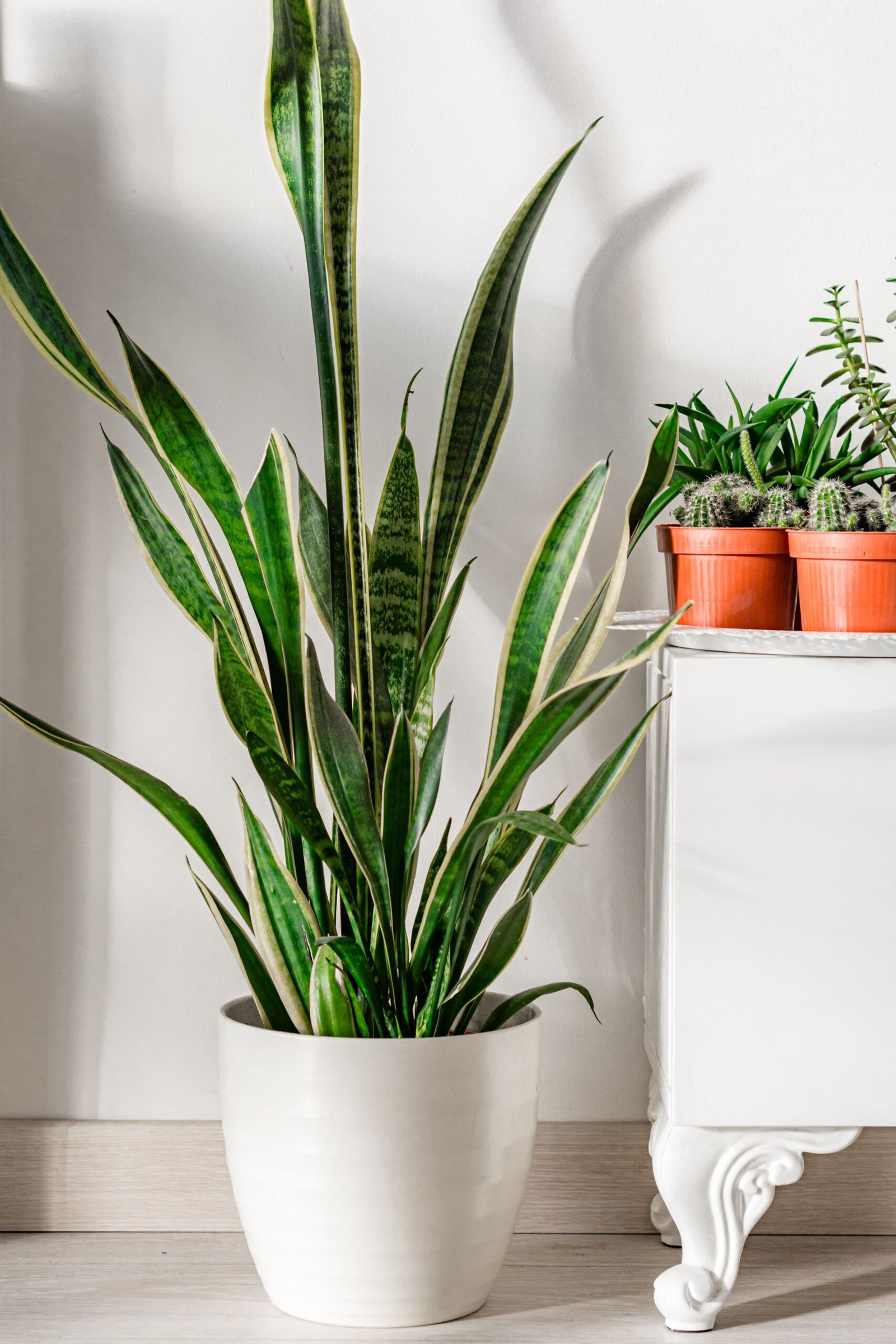
- Your variety curls naturally. Some cultivars — like Sansevieria cylindrica (the round, spear-like one) or ‘Starfish’ — grow in a curled or fan shape by design. Compare against photos of your variety before diagnosing a problem.
If neither applies and mature leaves are curling, work through the six causes below.
The 6 Causes of Curling Snake Plant Leaves
1. Underwatering (most common)
Snake plants store water in their thick leaves, so they forgive missed waterings — for a while. Eventually the reserves run low and the leaves curl inward to conserve moisture. You will usually also see:
- Soil completely dry and possibly pulling away from the pot’s edges
- A pot that feels very light when lifted
- Brown, crispy leaf edges or tips
- Leaves that feel thin or slightly wrinkled
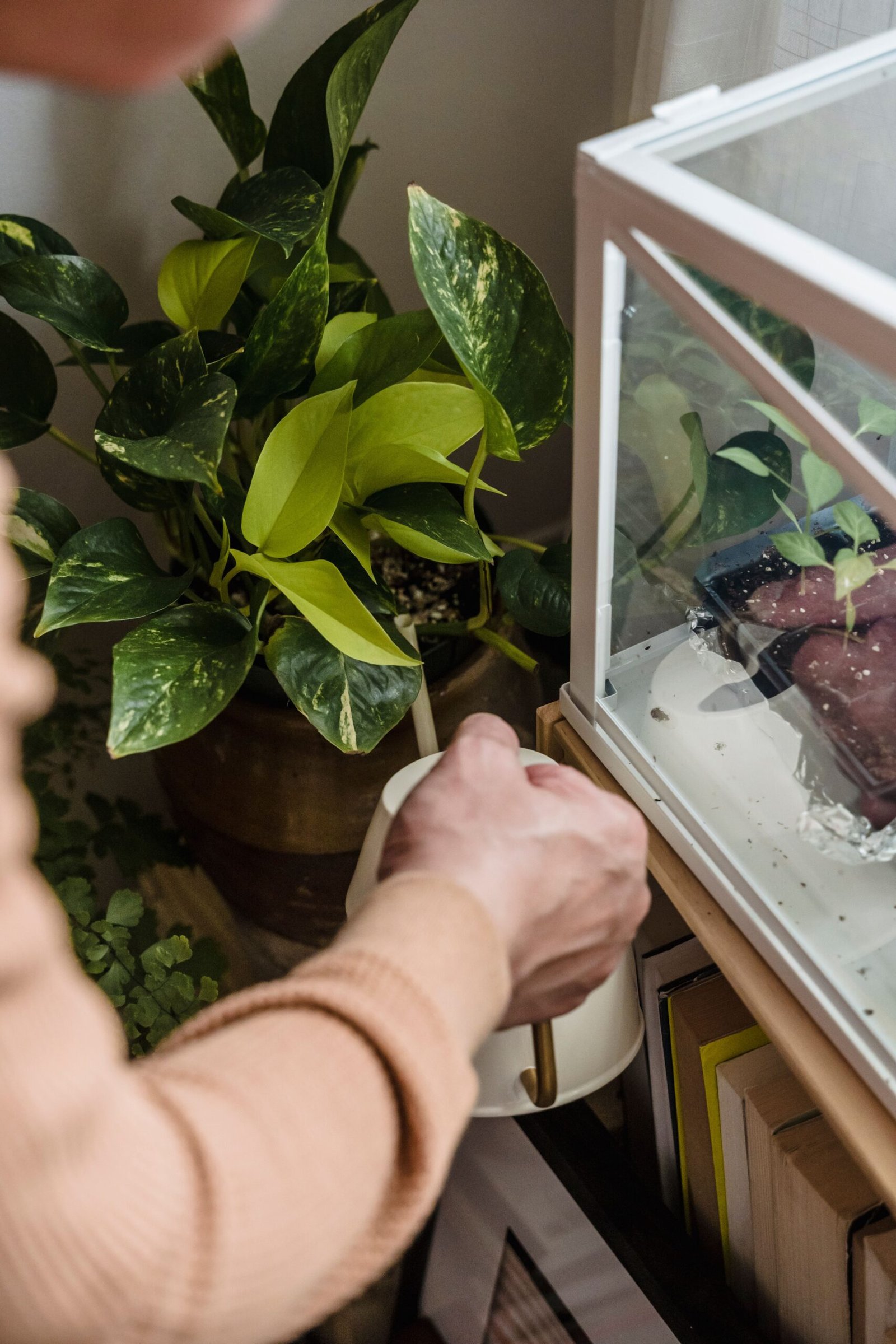
Fix: Water thoroughly until it drains from the bottom, then empty the saucer. Do not just sprinkle the surface — a deep drink followed by a full dry-down is the correct cycle. Going forward, water only when the soil is completely dry, roughly every 2 to 4 weeks depending on light and pot size. A probe moisture meter removes the guesswork in deep pots.
2. Overwatering and root rot
This is the dangerous one. A snake plant sitting in soggy soil develops root rot, and the damaged roots cannot deliver water — so the leaves curl from thirst even though the soil is wet. Warning signs:
- Soil still damp a week or more after watering
- Leaves curling plus turning yellow, translucent, or mushy at the base
- A sour or musty smell from the pot
- The plant feels loose or wobbly in its soil
Fix: Stop watering immediately. Slide the plant out and inspect the roots: healthy roots are firm and pale, rotted ones are brown/black and mushy. Trim away all rot with clean scissors, let the cuts dry for a day, and repot into fresh, dry, fast-draining mix in a pot with drainage holes. Do not water for at least a week after repotting.
3. Too much direct sunlight or heat
Snake plants tolerate low light, but they do not love being baked. Hours of harsh afternoon sun — especially through a south- or west-facing window in summer — heat the leaves and dry them faster than the roots can supply water, so they curl to protect themselves. Look for:
- Curling on the side facing the window
- Faded, washed-out, or scorched patches on leaves
- Soil drying out much faster than usual
Fix: Move the plant back a few feet from the window or behind a sheer curtain. Bright, indirect light is the sweet spot. Scorched patches will not heal, but new growth will come in healthy.
4. Cold drafts and temperature stress
Snake plants are tropical. Below about 50°F (10°C), their cells get damaged and leaves can curl, droop, or develop soft spots. Common culprits: a drafty window in winter, an air-conditioning vent blowing directly on the plant, or a cold garage “temporary” spot.
Fix: Keep snake plants between 60°F and 80°F (15–27°C). Move them away from drafty windows, exterior doors, and heating/cooling vents. Damaged leaves will not straighten, but the plant recovers once it is warm.
5. Pests
Less common, but mealybugs and spider mites suck sap from leaves, weakening them enough to curl or twist. Check closely — especially where leaves meet at the base — for:
- Tiny white cottony clusters (mealybugs)
- Fine webbing and stippled, dusty-looking leaves (spider mites)
Fix: Wipe mealybugs off with a cotton swab dipped in rubbing alcohol; rinse spider mites off in the shower and repeat weekly until gone. Isolate the plant until the infestation clears.
6. A pot-bound, exhausted plant
A snake plant that has not been repotted in years can become so root-bound that water runs straight through without soaking in. The plant is effectively underwatered no matter how often you water it.
Fix: If roots are circling densely or pushing out of the drainage holes, repot into a container 1 to 2 inches wider with fresh mix. Spring is the ideal time, but a severely pot-bound plant can be repotted any time it is actively struggling.
Quick Diagnosis Table
| What you see | Most likely cause | First thing to do |
| Curling + bone-dry soil, crispy tips | Underwatering | Deep water, then wait for full dry-down |
| Curling + yellow/mushy base, wet soil | Overwatering / root rot | Stop watering, inspect and trim roots, repot |
| Curling on the window-facing side, faded patches | Too much direct sun | Move to bright indirect light |
| Curling after a cold snap or near a vent | Temperature stress | Move to 60–80°F spot, away from drafts |
| Curling + white cotton clusters or webbing | Pests | Alcohol swab / shower rinse, isolate |
| Curling despite regular watering, roots circling | Pot-bound | Repot 1–2 inches wider with fresh mix |
| Only newest center leaves curled | Normal growth | Nothing — they flatten as they mature |
How to Water a Snake Plant Correctly (So This Doesn’t Come Back)
Prevention is one habit: drench, then drought.
- Check the soil all the way down — the top inch lies. Use your finger 2 to 3 inches deep or a moisture probe.
- Water only when it reads fully dry. In most homes that is every 2 to 4 weeks; in winter it can stretch to 6.
- When you water, soak it: pour slowly until water flows freely from the drainage holes.
- Empty the saucer after 15 minutes. Never let the pot sit in standing water.
- Use a fast-draining mix (cactus/succulent blend or regular potting mix with added perlite) and always a pot with drainage holes.
Will Curled Leaves Straighten Out Again?
Mildly curled leaves from underwatering or heat often partially recover once conditions are fixed — they plump back up over a week or two, though they may never look perfectly flat again. Leaves damaged by rot, frost, or scorch will not recover; trim the worst ones at the base with clean scissors so the plant puts energy into new growth. A healthy snake plant pushes out new leaves steadily in spring and summer, so cosmetic damage gets buried quickly.
A Note on Pets
Snake plants contain saponins and are toxic to cats and dogs if chewed (the ASPCA lists Dracaena trifasciata as toxic to both). Curling leaves are not a toxicity symptom — but if your plant lives where a curious pet can reach it, keep that placement risk in mind regardless.
FAQ
How often should I water my snake plant?
Only when the soil is completely dry — typically every 2 to 4 weeks indoors, less in winter. When in doubt, wait a few more days; snake plants handle drought far better than soggy soil.
Can a snake plant recover from curling leaves?
Yes, if the cause is underwatering, heat, or light stress — fix the cause and mildly curled leaves usually plump back within a couple of weeks. Rot, frost, or pest damage is permanent on affected leaves, but new growth comes in healthy.
Do snake plant leaves curl from too much water or too little?
Both, which is why checking the soil matters more than guessing. Dry soil + curling = underwatered. Wet soil + curling (especially with yellowing or mushiness) = overwatered, and adding water makes it worse.
Should I mist my snake plant?
No. Snake plants prefer dry air and misting adds nothing while raising the risk of fungal problems in the leaf crown. If the air is very dry, the plant will be fine — it is built for it.


2 Comments
How Often to Water Indoor Plants in Winter
November 2, 2026[…] […]
Why Do Indoor Plants Get Brown Tips? Causes and Fixes
November 2, 2026[…] […]